
Cannabis Legalization Tracker 2026: Emerging State Markets
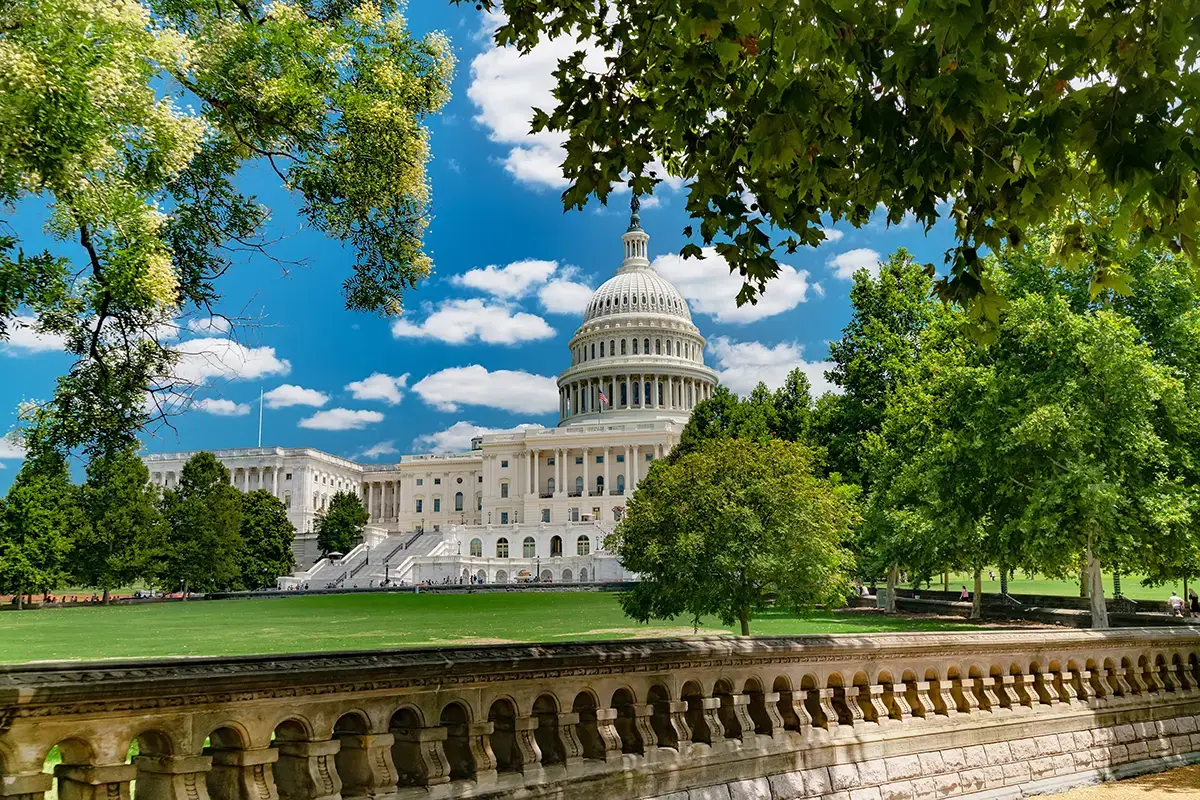
The cannabis map is still being drawn. As of May 2026, 24 states have legalized adult-use cannabis, 40 allow medical use, and a handful of others are actively moving toward both. For consumers, the question is simple: when can I buy legally in my state? For ancillary businesses — the suppliers, technology vendors, consultants, and service providers that sell into cannabis operators — the question is more strategic: where should I be building relationships right now, before everyone else shows up?
That distinction matters. The businesses that get into a new market early, before licensing is fully active and before the vendor ecosystem gets crowded, consistently build stronger relationships and win more accounts than those who wait for the market to mature. Legalization timelines are not just policy news. They are prospecting for intelligence.
This tracker covers the states most likely to see meaningful cannabis policy change in 2026 and what each represents for ancillary suppliers. For context on what those markets look like once they open, see our cannabis industry growth forecast and cannabis pricing trends breakdown.
See how Emerald Intel helps suppliers enter new markets ahead of competitors →
Why Early Market Entry Wins
Every legal cannabis market follows a recognizable pattern. Legalization passes. Licensing begins. A small group of operators gets licensed first and makes foundational vendor decisions while the market is still thin. More operators enter over the following 12 to 24 months. The vendor ecosystem gets more competitive. Switching costs rise. The operators who chose vendors early are less likely to change them.
The window between legalization and market saturation is where ancillary suppliers have the most leverage. Operators are actively building their vendor stack. They are more open to new relationships. And because the market is new, there's less incumbent competition from vendors who got there first.
Missing that window doesn't mean missing the market entirely — but it does mean a harder sale, a longer cycle, and a less defensible position once the market matures.
Tracking legalization timelines is how suppliers avoid missing the window.
Pennsylvania: The Highest-Value Near-Term Opportunity
Pennsylvania is the most closely watched adult-use legalization candidate in 2026, and for good reason. It is the sixth most populous state in the country, already has a well-established medical cannabis program with a developed operator ecosystem, and has bipartisan legislative support for adult-use proposals in both chambers.
The current legislative vehicle has cleared committee and awaits a floor vote. The governor has supported legalization for years. If Pennsylvania passes adult-use legislation before its November adjournment, retail sales could begin as early as late 2026.
For ancillary suppliers, the Pennsylvania opportunity is unusually well-defined. The state already has licensed operators who understand compliance, understand the vendor relationship model, and are primed to expand their operations into adult-use. They are not starting from scratch. They are scaling. That means faster buying decisions, more sophisticated vendor evaluation, and a stronger ROI-based pitch environment.
Pennsylvania is not a speculative market. It is a probable one. Suppliers not already building relationships with Pennsylvania medical operators are behind.
Virginia: Legal Possession, No Retail Sales (A Unique Gap)
Virginia legalized adult-use cannabis possession and home cultivation in 2021 but has never established a commercial retail market. It remains the only state in the country in that situation: possession is legal, but there is nowhere to legally buy.
New executive leadership in 2026 has significantly changed the political calculus. The incoming governor ran on legalizing retail sales, and the General Assembly has a ready-made regulatory blueprint from prior sessions. Lawmakers say retail sales could begin by late 2026 if legislation passes.
For ancillary suppliers, Virginia represents a market that will move from zero to licensed retail in a compressed window, potentially faster than any other state on this list. The scramble to build operator infrastructure, equip retail environments, and stand up compliance systems will happen quickly. Suppliers positioned ahead of that activation will have a significant first-mover advantage.
Florida: High Population, Failed Before, Back on the Ballot
Florida's adult-use legalization effort has returned for the November 2026 ballot after a 2024 campaign fell just short of the required 60% threshold, receiving 55.9% of the vote. The 2026 initiative is again focused on allowing existing medical dispensaries to sell to adult consumers and creating new adult-use licenses.
Florida is the third-largest state in the country and already has one of the largest medical cannabis markets in the U.S. A successful 2026 vote would immediately activate adult-use sales at hundreds of existing licensed locations.
The risk here is real — Florida requires a 60% supermajority, not a simple majority, and the 2024 result was close but not close enough. Suppliers should monitor rather than commit significant resources ahead of the vote. But Florida operators are worth knowing now. If the vote succeeds, the activation will be fast.
Nebraska: Medical Program Building, Recreational Initiative Filed
Nebraska voters approved medical cannabis in November 2024 by wide margins: 71% in favor of legalization, 67% in favor of regulation. As of May 2026, the state is still implementing that program, with the Nebraska Medical Cannabis Commission approving formal regulations in April 2026. Dispensaries are expected to begin serving patients by 2027 at the earliest.
On the recreational side, a constitutional amendment initiative has been filed for the November 2026 ballot that would establish a right for adults 21 and older to use cannabis. Proponents must submit signatures by July 3, 2026. This is the fifth attempt at recreational legalization in the state since 2018 — none has previously qualified for the ballot — and the political environment remains challenging, with the governor and attorney general actively resistant to the medical program already in place.
Nebraska is a keyword-rich market for organic search and a state worth watching, but not a near-term operating market. The more actionable opportunity is the medical program currently being built. The first cultivators have been licensed. Dispensary licenses are coming. The operator ecosystem is small, early, and actively evaluating vendors — exactly the profile where early relationships pay off.
Other States to Watch
Several additional states have meaningful activity heading into the second half of 2026.
Idaho is pursuing a medical-only ballot initiative for November 2026, with signature gathering underway. A successful vote would create one of the last remaining state-level holdouts' first legal access point.
North Carolina is on a slower legislative track: a medical program with a pathway to adult-use is in committee, with recreational consideration more likely in 2028 or 2029. A large population with no legal neighboring market makes it a high-value long-term target.
Wisconsin has consistently strong public support for legalization but a Republican-controlled legislature that has blocked every attempt. The dynamic is stable but unlikely to change until the political composition of the legislature shifts.
Hawaii came close in 2025 before missing a crossover deadline. Advocates are preparing for another serious push, and the governor has expressed openness. Watch for early 2027 session activity.
A Note on THCA and the Hemp Loophole
One dynamic worth understanding as you track state-by-state legalization: the growth of the hemp-derived THCA market as a parallel channel in states where adult-use cannabis remains illegal. Products marketed as THCA flower have emerged as a de facto unregulated cannabis product in many prohibition states, sold through smoke shops and online retailers.
This is not a stable market. Several states are actively moving to close the loophole, and Ohio's SB 56 — which would ban intoxicating hemp products sold outside licensed dispensaries — reflects a broader regulatory trend. The hemp-derived THC market is worth monitoring, but it should not be the primary basis for market entry planning. Licensed operator relationships in regulated markets remain the durable B2B opportunity.
How Suppliers Should Use This Data
The legalization tracker is a planning tool, not a signal to act immediately. The right sequence is:
First, identify which states are in active build-out — licensing is live, operators are making vendor decisions now. These are your immediate targets. Second, identify states where legalization is probable within 12 to 18 months — Pennsylvania, Virginia, potentially Florida. Start building relationships with existing medical operators now. Third, monitor the longer-range states — Nebraska recreational, North Carolina, Hawaii — and track developments without committing significant resources.
The common thread is that the best time to establish a vendor relationship is before the operator has made the decision, not after. That requires knowing who is operating, at what scale, and what they need — which is exactly what operator-level market intelligence provides.
Emerald Intel tracks the cannabis operator landscape across all active legal markets, updated in real time as new licenses are issued and markets evolve. When a state activates, the operator map is ready. For suppliers building a systematic market entry process, that intelligence layer is what makes early-mover advantage actually executable.
Explore active cannabis markets by state →
For the full picture on how new markets develop once legalization passes, see our cannabis trade shows and events calendar and the how to sell to dispensaries prospecting guide.
References
- Cannabis Business Times – 7 States That Could Still Legalize Cannabis in 2026
- Ballotpedia – Nebraska Marijuana Legalization Initiative (2026)
- Marijuana Policy Project – Nebraska State Page
- Nebraska Examiner – Medical Cannabis Regulations Now Headed to Nebraska AG, Governor for Approval
- Green Rush News – Which States Will Legalize Weed Next? 2026 Legalization Tracker
- The Marijuana Herald – The States Most Likely to Legalize Cannabis in 2026